

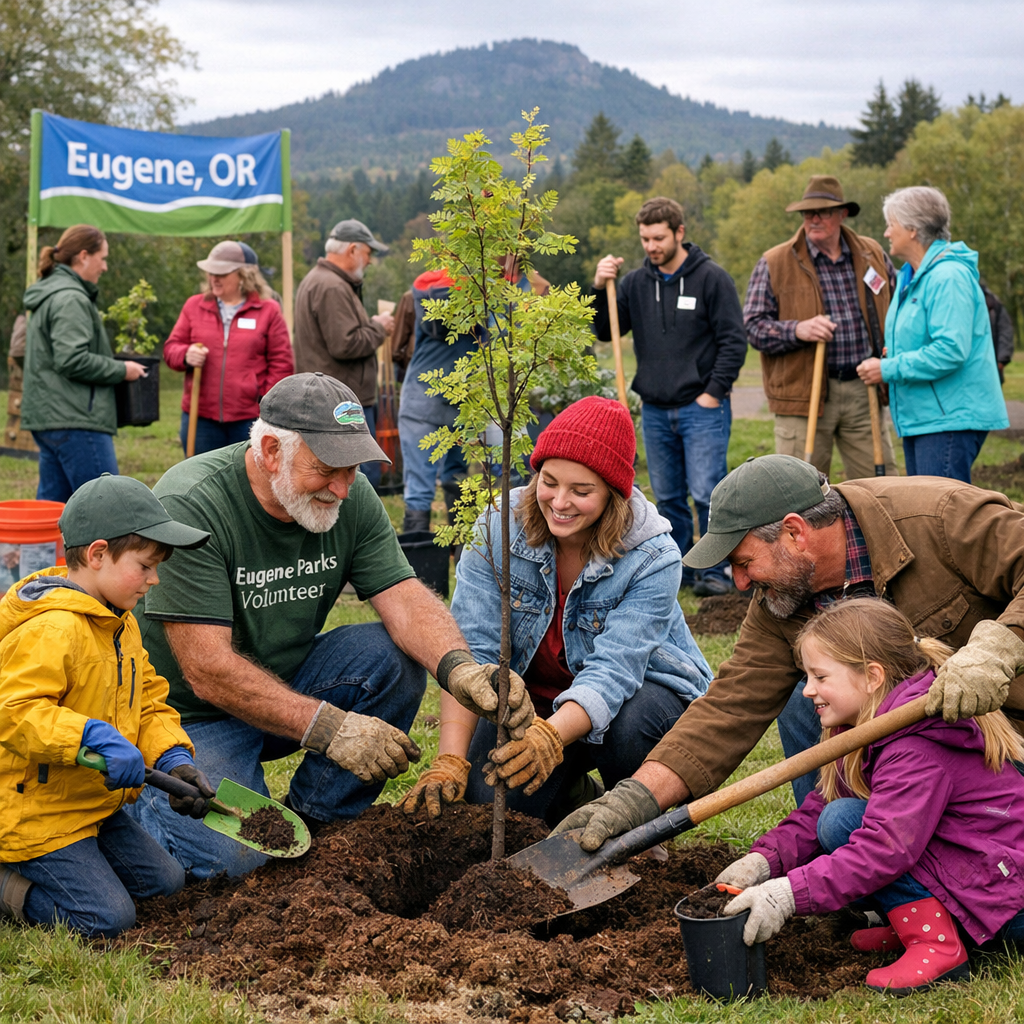
As Eugene residents, we are witnessing firsthand the impacts of climate change on our environment. From prolonged allergy seasons to increased wildfire risks, our community faces significant challenges. However, through proactive initiatives and community engagement, Eugene is striving to build resilience and promote sustainability.
Extended Allergy Seasons
Recent analyses indicate that Eugene’s freeze-free growing season has lengthened by 41 days since 1970. This extension allows plants more time to grow and release pollen, leading to longer and more intense allergy seasons for residents.
Increased Wildfire Risks
Climate change has also heightened the risk of wildfires in our region. The number of high-risk fire weather days is expected to increase through 2050, posing threats to both urban and rural areas. Property owners are encouraged to take steps to mitigate these risks.
Community Initiatives
In response to these challenges, Eugene has implemented several initiatives:
Climate Recovery Ordinance (CRO)
Adopted in 2014, the CRO sets ambitious goals, including reducing community fossil fuel use by 50% of 2010 levels by 2030 and achieving carbon neutrality in city operations.
Climate Action Plan 2.0 (CAP2.0)
This plan serves as a roadmap for reducing local emissions and enhancing community resilience. It emphasizes collaboration and comprehensive strategies to address climate change.
Urban Forestry Efforts
To combat rising temperatures and improve air quality, Eugene’s Urban Forestry program has planted over 2,000 trees in 2023, aiming to increase the urban tree canopy from 24% to 30%.
Waste Prevention Programs
The city’s Waste Prevention program promotes material conservation through initiatives like food waste collection, repair fairs, and sustainable event services.
Looking Ahead
While challenges persist, Eugene’s commitment to sustainability and resilience offers hope. By staying informed and engaged, we can all contribute to a healthier, more sustainable future for our community.